
Compare Candidate Drives
Use our motor and gearbox ranges as a starting point, then compare candidates against the way your equipment actually runs.
Explore compact drive options, then tell us the voltage, speed, torque and space your application needs. We can help you assess a standard model or a modification.
Companies We Have
Worked With






A useful shortlist starts with the load, duty cycle and installation envelope—not a long list of part numbers.
Use our motor and gearbox ranges as a starting point, then compare candidates against the way your equipment actually runs.
Review housing size, mounting points, shaft geometry and connection details before a drive reaches your assembly.
Check required output speed and torque alongside current draw, operating time and the limits of your power supply.
If a standard model is close, discuss changes to the shaft, connector, winding or gearbox before starting a new design.
Motor and gear engineers can review the trade-offs between performance, size and integration requirements.
Discuss specifications and project requirements with our team in English, German, Chinese or Portuguese.
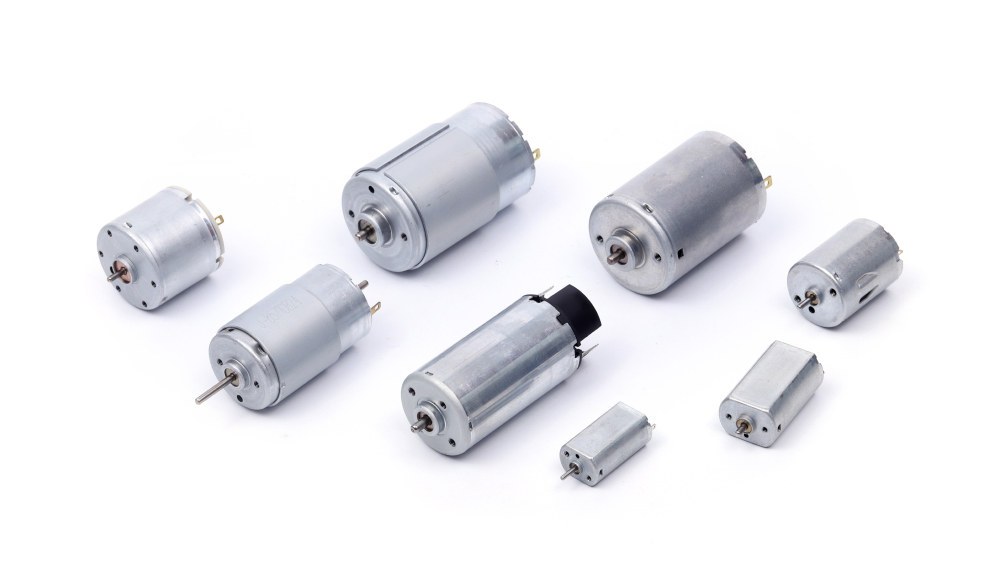
Compare motor and gearbox options by speed, torque, control and space.

Simple speed control from a 12V or 24V supply.
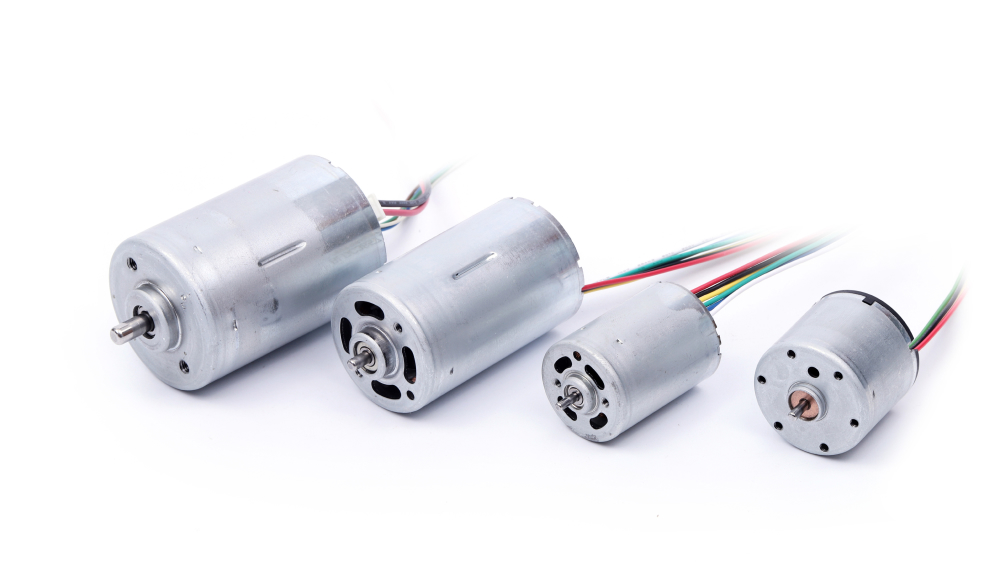
Electronic commutation removes the need for brushes.
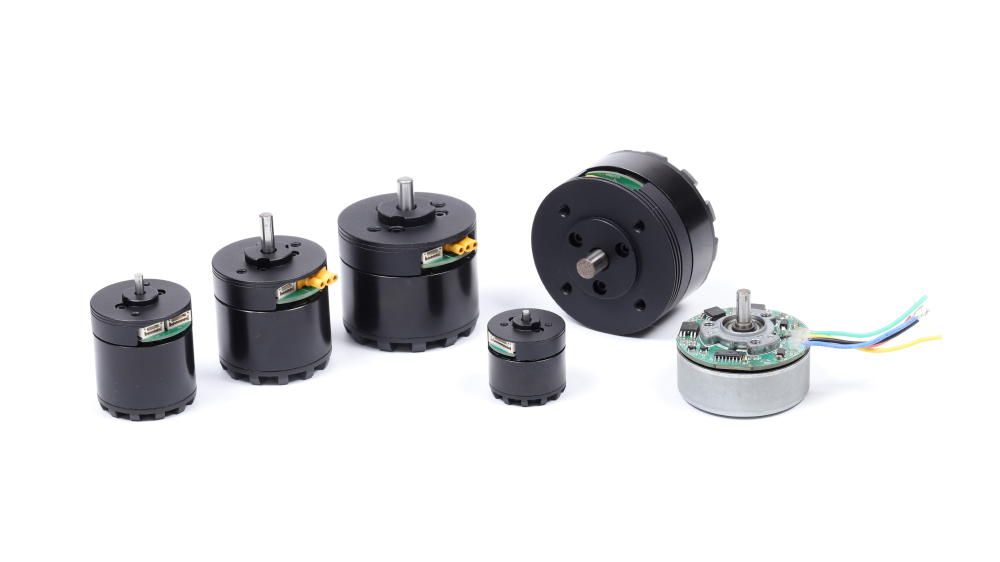
The outer rotor turns around a stationary core.
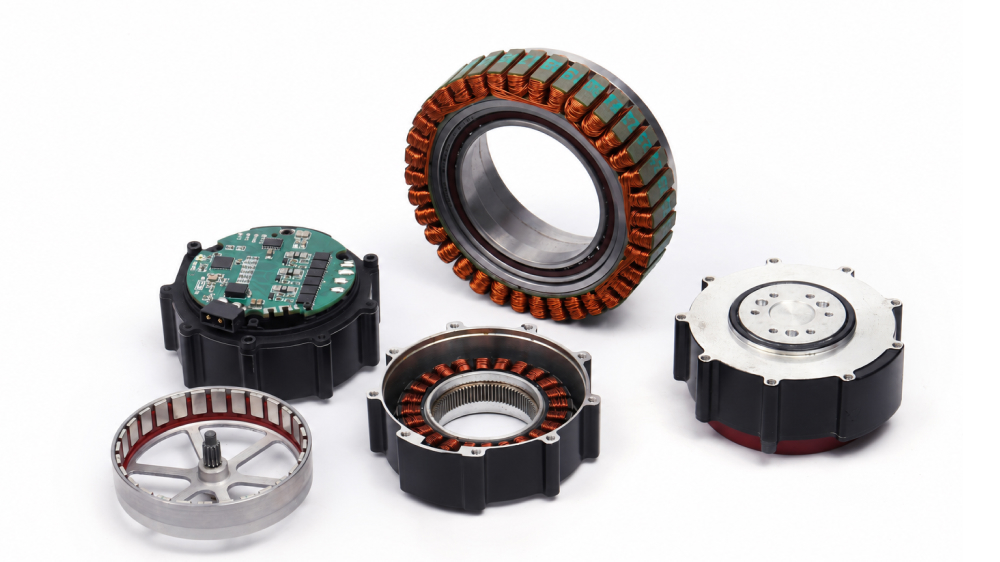
Torque, feedback and control come together at the joint.
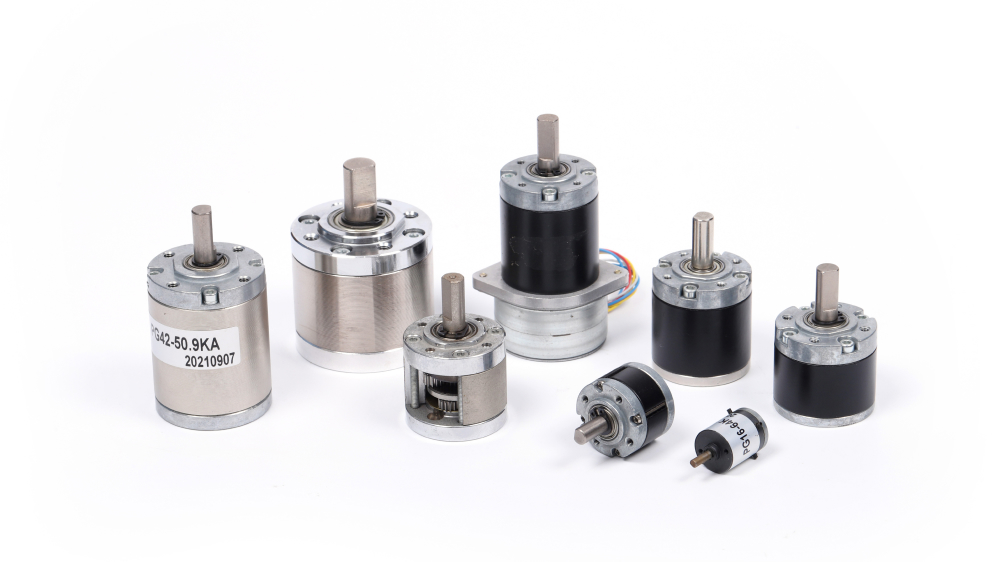
Load is shared across several gears around a central input.
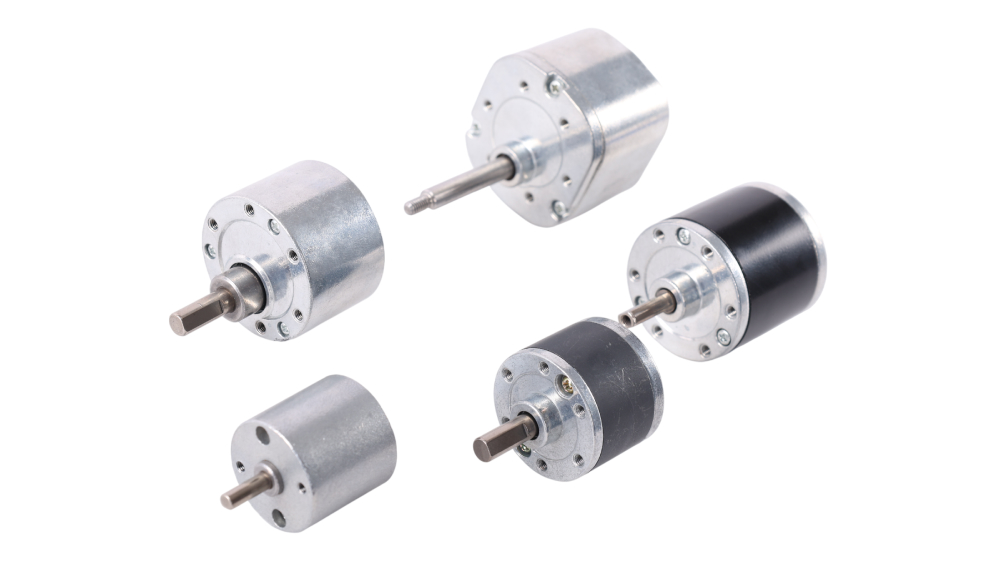
Multiple reduction stages fit inside a circular housing.
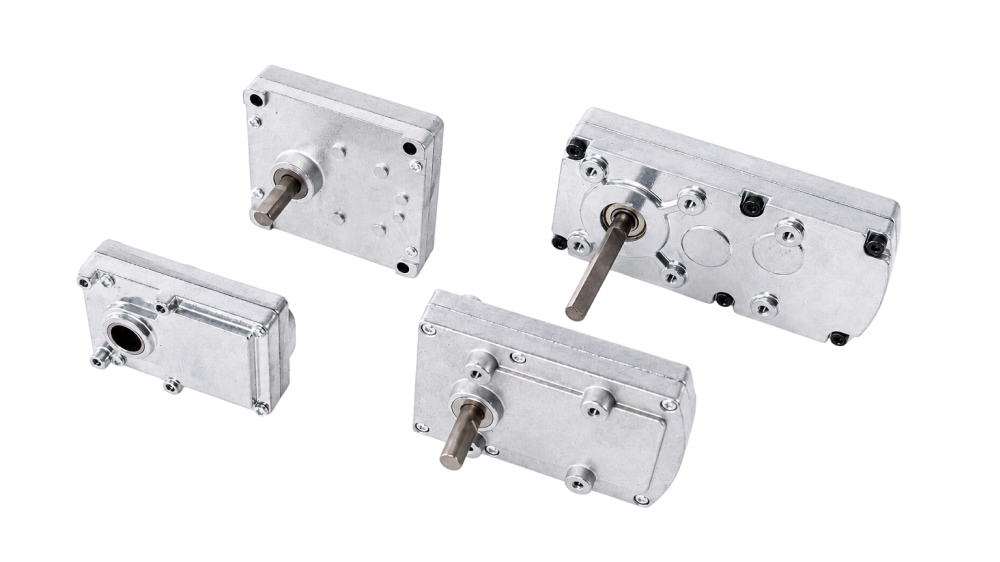
A shallow profile leaves more room around your mechanism.
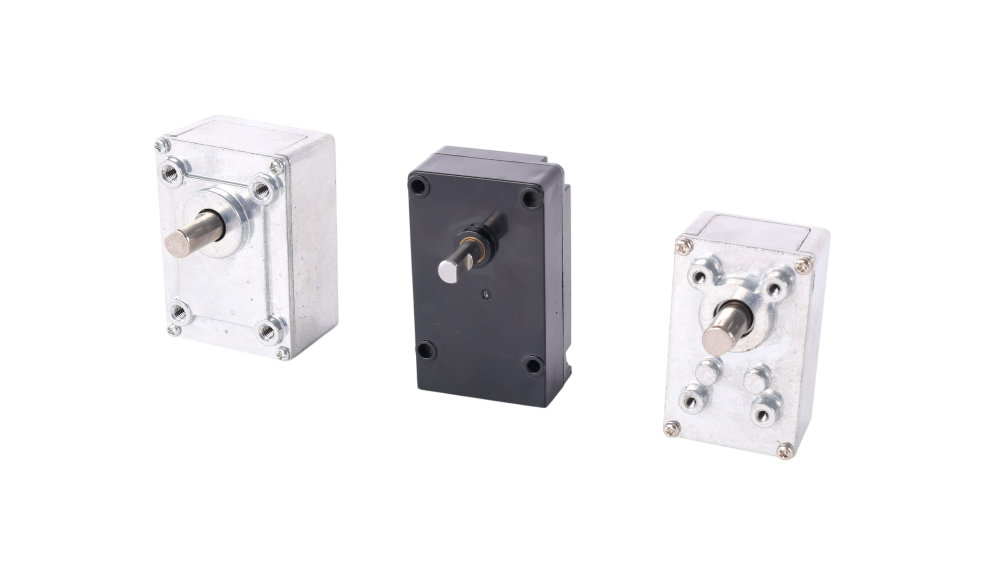
Redirect rotation through 90 degrees while reducing speed.
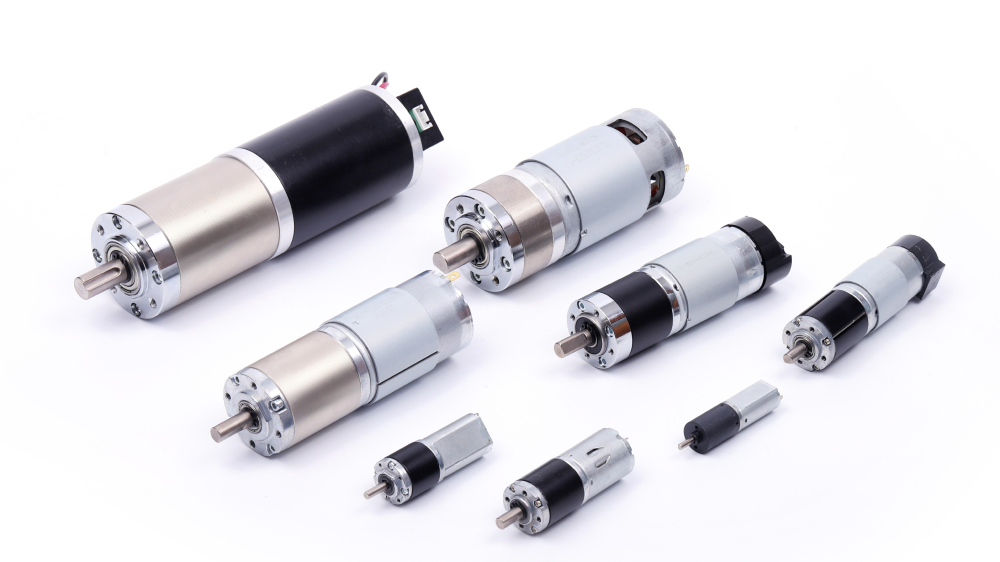
Compact reduction delivers more torque at the output shaft.
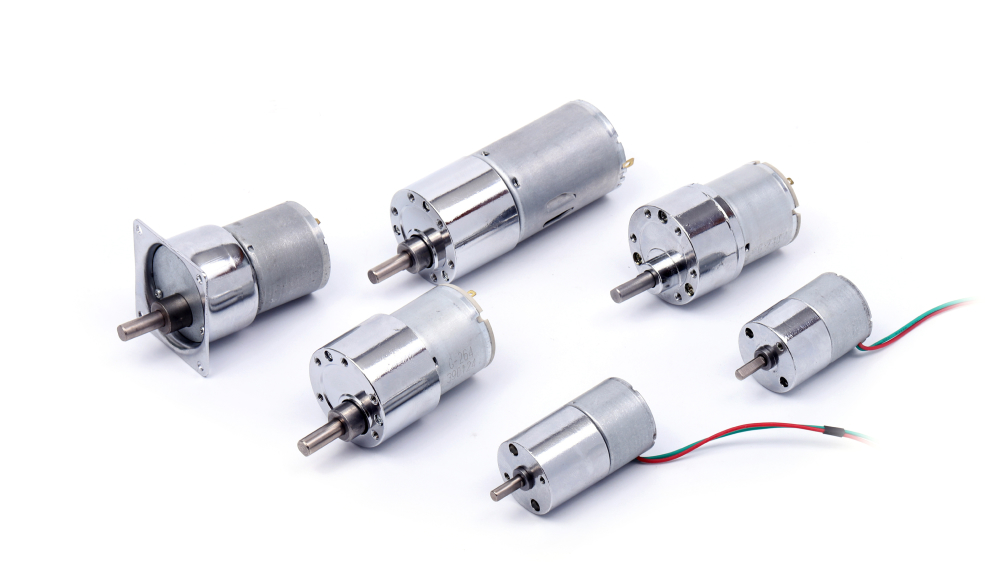
Different ratios provide a choice of working speeds.
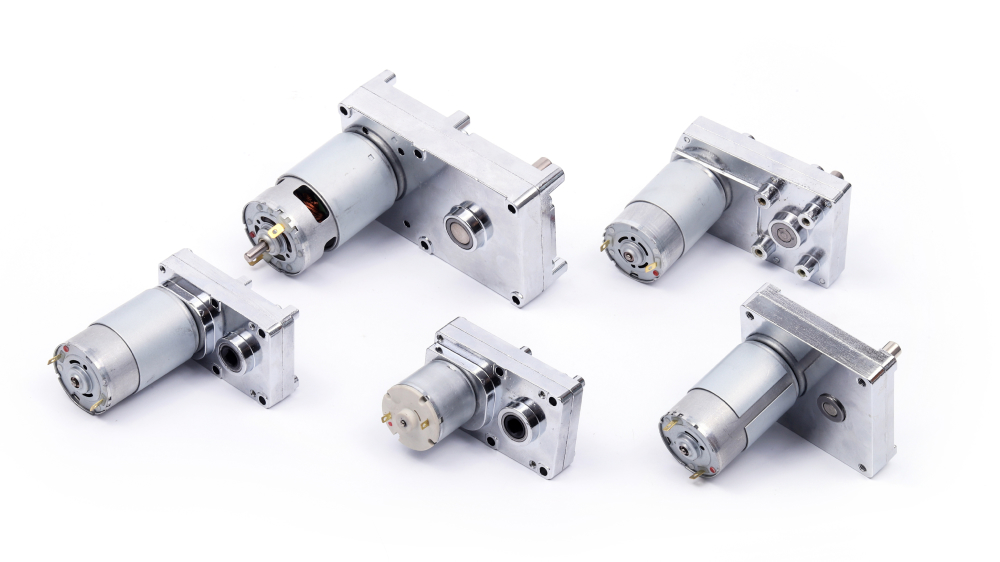
Offset output positions offer flexibility in tight assemblies.
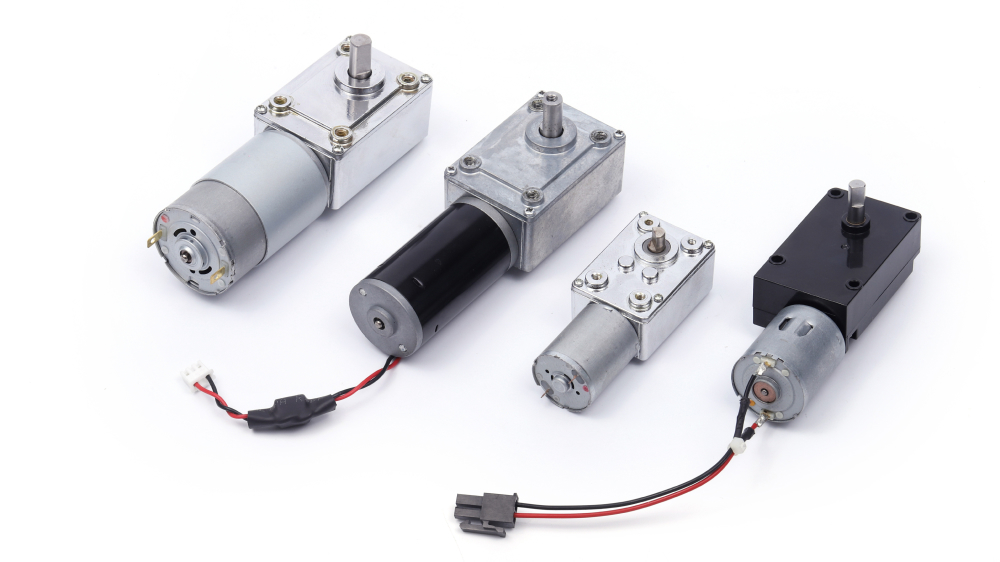
An integrated drive delivers reduced speed at a right angle.
Explore where compact drives fit across eight application areas.
 Automotive MechanismsPowered mirror mechanisms need compact, repeatable movement inside a tight door assembly.
 RoboticsGrippers and small robot mechanisms bring together motion, control and limited installation space.
 Medical DevicesAutomated sample handling calls for controlled movement suited to the device and its validation needs.
 Industrial AutomationPart sorting and positioning equipment depends on the load, cycle time and mounting layout.
 Building AutomationMotorized blinds and access hardware need reliable movement within narrow housings.
 Consumer AppliancesDispensing mechanisms have to meet space, noise and operating-life targets.
 Laboratory & Test EquipmentInspection stages and test fixtures rely on precise movement within compact layouts.
 Outdoor EquipmentAutonomous garden equipment adds demands for duty cycle, sealing and available power.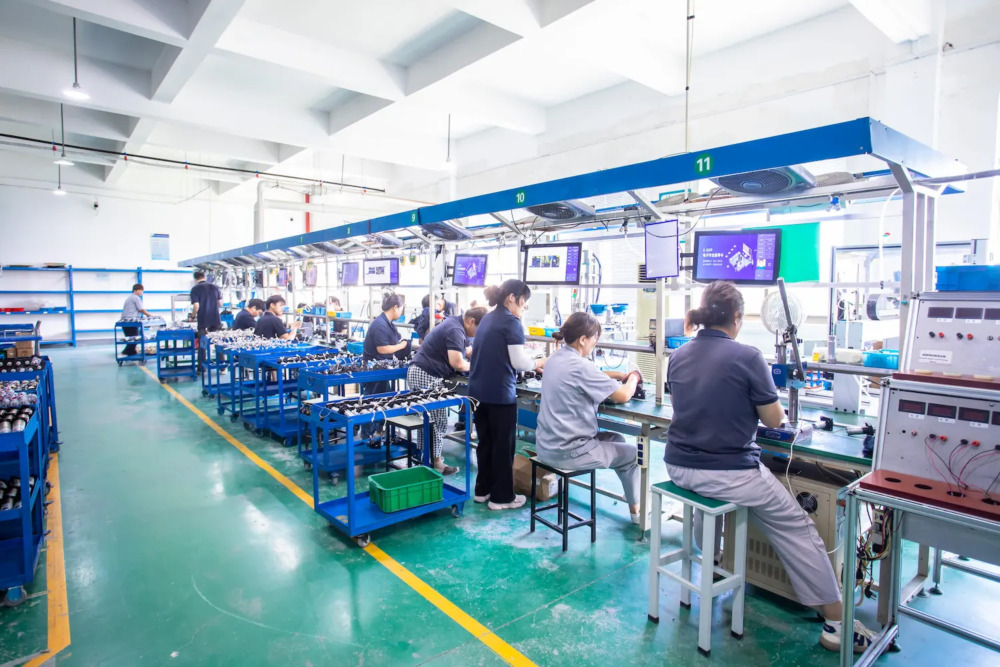
Doncen Motor works with equipment manufacturers on compact motor and gearbox assemblies. Bring us the load, operating cycle and installation constraints; we can review suitable configurations and the changes needed to fit your design.
Talk through your requirementsTell us what prevents an existing model from fitting: the shaft, connector, winding, mounting, output speed or torque. We can review targeted changes first and discuss a new configuration when the application calls for one.
Send your specifications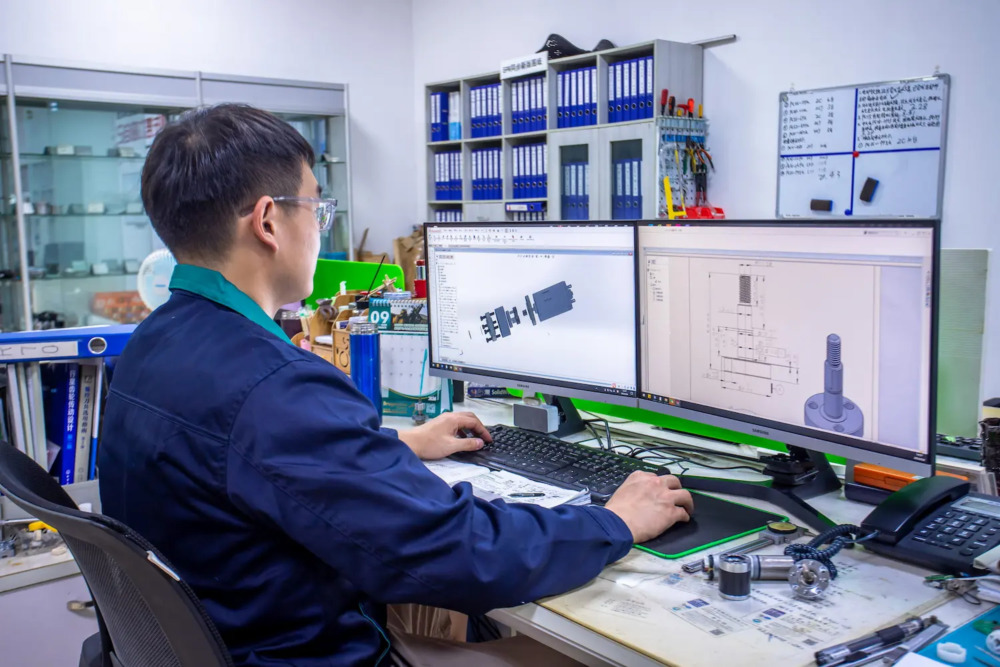
You do not need a finished motor drawing to start. The more you can tell us about the equipment and its constraints, the more useful the first review will be.
We review the application, available space and performance targets with you, including the assumptions that still need testing.
We can compare candidate motors and gearboxes against your target output, power supply and operating cycle.
Share drawings, photos or a current part number when available. They help us understand the interface and avoid guesswork.
We identify which details can follow a standard series and which need a different shaft, connection, winding or gearbox.
Ask about sample options for the proposed configuration, then evaluate the drive in your own assembly and duty cycle.
Once the specification is agreed, discuss expected volume, documentation, testing and delivery requirements before placing an order.
How we review OEM enquiries, adapt existing designs and plan evaluation before production.
Yes. We can review the intended motion, available space and electrical supply before you have a final motor specification. Tell us what is fixed in the design and what is still open; that helps us identify a practical starting configuration.
We can start with an existing motor or gearbox and review whether its performance and interfaces fit. If it is close, we can discuss changes such as shafts, connectors, windings or reduction stages. The feasible scope depends on the project.
Describe the equipment, what the drive must do, your supply voltage, target speed and torque, space limit, duty cycle and estimated quantity. Drawings, photos or a current part number help when available; you can contact us even if some values are unknown.
Tell us what you need to validate in your assembly. After reviewing the configuration, we can discuss suitable sample options and the information needed to compare test results with your requirements.
Our team reviews your application and may ask follow-up questions about load, installation or operating conditions. We then discuss a suitable starting option, any modification needs, and the next step for samples or a quotation.